Attraction Tales: Evening Chapter casts players as Teddie, a young protagonist whose routine is upended when a visitor arrives at her shelter. The game is an interactive fiction experience built around interpersonal dynamics rather than combat. Conversations and actions ripple outward, altering the narrative in ways that are not always immediately visible. The writing explores trust, resourcefulness, and adapting to change, making it a fit for players who prefer character-driven plots over action-heavy ones.
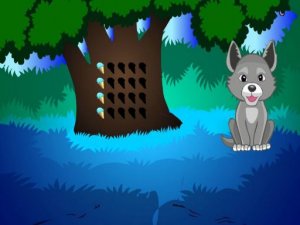
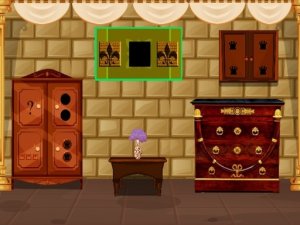
Interaction uses a classic point-and-click interface. You move Teddie through hand-drawn environments, selecting objects and characters to examine or engage with. The world rewards thorough investigation: hidden items are tucked into corners, and subtle details often hint at solutions to upcoming challenges. The interface stays simple, keeping the focus on story progression rather than complex controls.
Puzzles are integrated into the environment rather than presented as abstract challenges. Most involve using collected items in logical ways or interpreting clues from dialogue. Some problems require combining objects, while others depend on remembering past conversations. This design keeps the experience grounded in the story and avoids feeling like a separate puzzle game.
Decisions are not always obvious. Some choices have immediate effects, while others influence events much later. The game does not label options as good or bad, encouraging players to consider consequences organically. This system supports replayability, as different choices unlock new scenes and endings. Players can reload earlier saves to explore alternative outcomes without losing progress. The visitor character reacts dynamically to Teddie's actions, so building trust or maintaining distance changes how the story unfolds. This relationship mechanic adds emotional weight to everyday decisions, such as sharing resources or asking for help. The game avoids binary morality, instead presenting nuanced situations where cooperation is often the best path forward.
The art style uses soft colors and detailed backgrounds to create a calm but slightly mysterious tone. Characters are expressive despite a simple design, conveying emotions through posture and facial cues. Lighting changes subtly between scenes, reinforcing mood shifts. The soundtrack uses gentle melodies that adapt to the narrative pace, with quieter tracks during exploration and more dynamic music during tense moments. Sound effects are minimal but purposeful. Footsteps, object interactions, and ambient noises like wind or creaking floors ground the player in the setting. The audio design never overwhelms the story, instead supporting the emotional beats without drawing attention to itself.
Sign in to comment
You must be logged in before posting a review or rating.
No comments yet. Be the first to comment!





Editorial Notes