What players say
Leap the Synth offers a unique blend of music and puzzle-solving that keeps players engaged. The rhythm-based mechanics are intuitive yet challenging, and the family-friendly design ensures it is suitable for all ages. The progressive difficulty and variety of music tracks make each level feel fresh. A great choice for casual gamers and rhythm enthusiasts alike.
About this game
Game Introduction
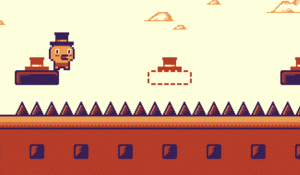
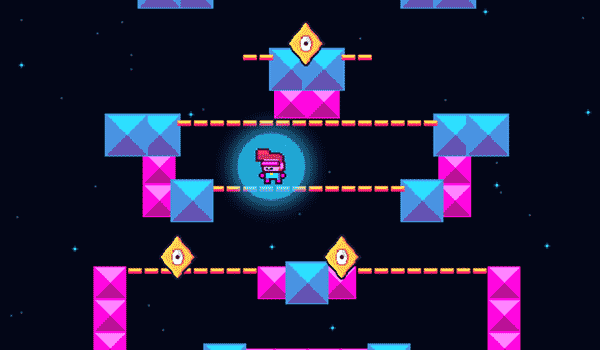
Leap the Synth is a rhythm-based puzzle game that combines music with platforming challenges. Players are placed in a vibrant virtual world where they must move to the beat, overcome obstacles, and navigate through code-inspired levels. The game offers a unique blend of timing and problem-solving, making it both engaging and relaxing. Designed for all ages, it provides a family-friendly experience without any violent or inappropriate content. Each level introduces new music and obstacles, keeping the gameplay fresh and rewarding.
How to Play
Players typically use keyboard or touch controls to jump and move their character in sync with the music. The core objective is to overcome obstacles that appear in the program by jumping at the right moment. Following the beat closely helps avoid obstacles and progress through the levels. The controls are easy to learn, but mastering the timing requires practice and focus. As players advance, the music and puzzles become more complex, offering a satisfying challenge for those who enjoy rhythm-based gameplay.
Game Features
Rhythm-based jumping mechanics that sync with the soundtrack. Obstacle-overcoming action adds a puzzle element to each level. Immersive music creates an engaging atmosphere. Family-friendly design ensures no violence or inappropriate content. Progressive difficulty keeps the game challenging for all skill levels. The game is suitable for short play sessions or longer gaming periods, making it a flexible choice for players.
Tips for Success
Listen carefully to the beat and practice your timing. Start with easier levels to build a sense of rhythm before tackling more complex puzzles. Stay focused and avoid rushing—precision is more important than speed. If you get stuck, take a short break to reset your concentration. Regular practice will help you improve your reflexes and pattern recognition, making it easier to handle faster music and tougher obstacles.